From Relaxing to Entertaining: How to Design a Living Space for Every Occasion

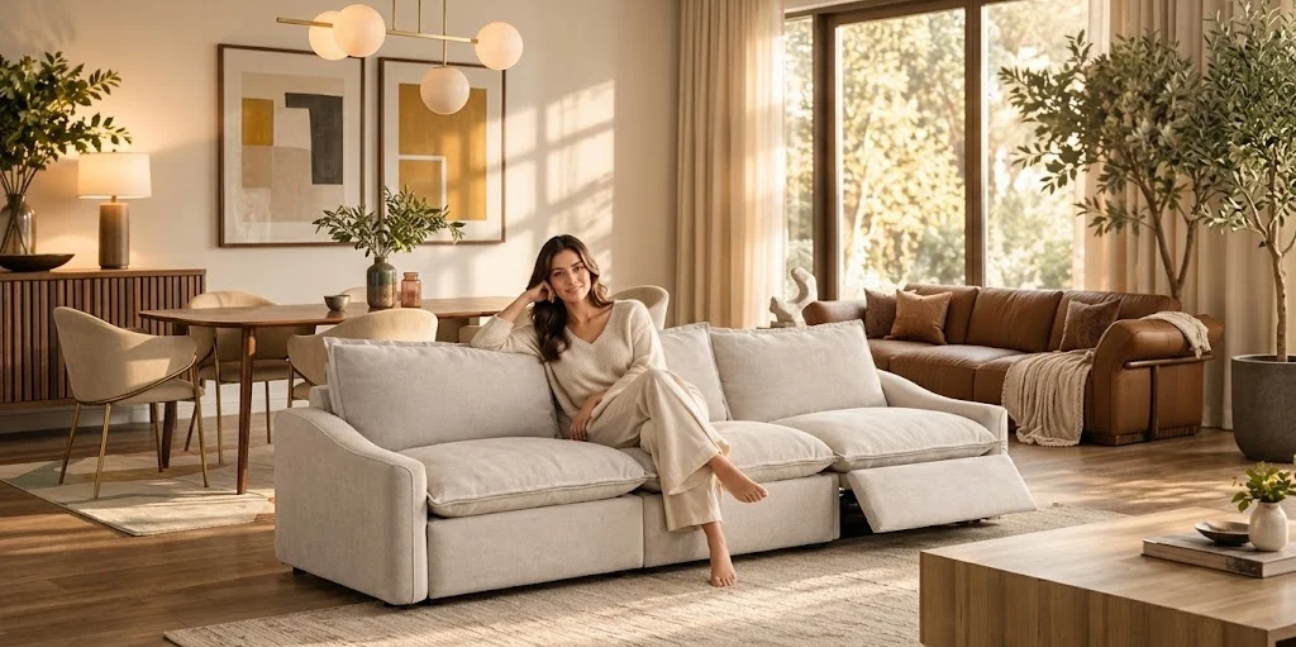
A well-designed living space should do more than look attractive. It should comfortably support the different moments that make a house feel like home. Quiet mornings, movie nights, casual conversations, family gatherings, and weekend entertaining all require slightly different approaches to furniture and layout.
A well-designed living space should do more than look attractive. It should comfortably support the different moments that make a house feel like home. Quiet mornings, movie nights, casual conversations, family gatherings, and weekend entertaining all require slightly different approaches to furniture and layout.
The key is creating a room that can transition naturally between these activities without becoming cluttered or losing its sense of style. Thoughtfully selected seating, flexible layouts, complementary textures, and functional furniture can transform an ordinary living area into a versatile space designed around everyday life.
Modern furniture collections, such as those available from POVISON, offer a variety of seating solutions that can help combine comfort and contemporary design. From a spacious modular sofa to a power reclining loveseat and curved upholstered chairs, the right combination can make a living area adaptable enough for almost any occasion.
Start With a Flexible Furniture Layout
The foundation of a versatile living room is the furniture arrangement. A room designed only around a television, for example, may work well for movie nights but feel awkward when guests arrive.
Instead, seating should encourage both relaxation and conversation. A modular sofa can be especially useful because its configuration can help define the room while providing plenty of space for several people.
The Cronus Modular Sofa from POVISON offers a substantial seating solution for contemporary interiors. Its modular concept makes it particularly suitable for living spaces where flexibility is important. Positioned centrally, against a wall, or as part of an open-concept arrangement, a modular sofa can become the visual and functional anchor of the room.
Keeping pathways open around the seating area is equally important. Adequate circulation space allows people to move between the living room, dining area, kitchen, and other parts of the home without disrupting conversations.

Create a Dedicated Relaxation Zone
Every living room needs an area where comfort takes priority. Whether the goal is reading, watching television, taking an afternoon break, or enjoying a quiet evening, dedicated relaxation seating can make the space feel considerably more inviting.
A power reclining loveseat is particularly suited to this purpose. The Modern Power Oversized Pillow Back Reclining Loveseat Sofa from POVISON combines a generous seating profile with electric reclining functionality, creating a comfortable option for relaxing at the end of the day.
Rather than treating reclining furniture as something that belongs only in traditional media rooms, contemporary designs can be incorporated into stylish living rooms. The key is balancing the larger seating piece with streamlined surrounding furniture, simple décor, and carefully selected lighting.
A side table, floor lamp, or soft area rug can help establish the loveseat as a comfortable retreat without visually separating it from the rest of the room.

Design for Movie Nights and Casual Gatherings
A versatile living room should easily transition into an entertainment space. Movie nights benefit from comfortable seating, clear sightlines, convenient surfaces, and lighting that can be adjusted according to the occasion.
A modular sofa works especially well for group viewing because it can accommodate multiple people while creating a relaxed atmosphere. Throw pillows and soft blankets can add another layer of comfort without requiring permanent changes to the furniture arrangement.
For casual gatherings, seating should encourage interaction rather than forcing everyone to face one direction. A combination of a larger sofa and additional accent seating allows guests to sit comfortably while remaining part of the conversation.
The goal is to create enough seating without making the room feel overcrowded.
Bring Dining and Living Areas Together
In open-concept homes, the living and dining areas often function as one connected environment. Furniture therefore needs to complement neighboring spaces without making everything look overly coordinated.
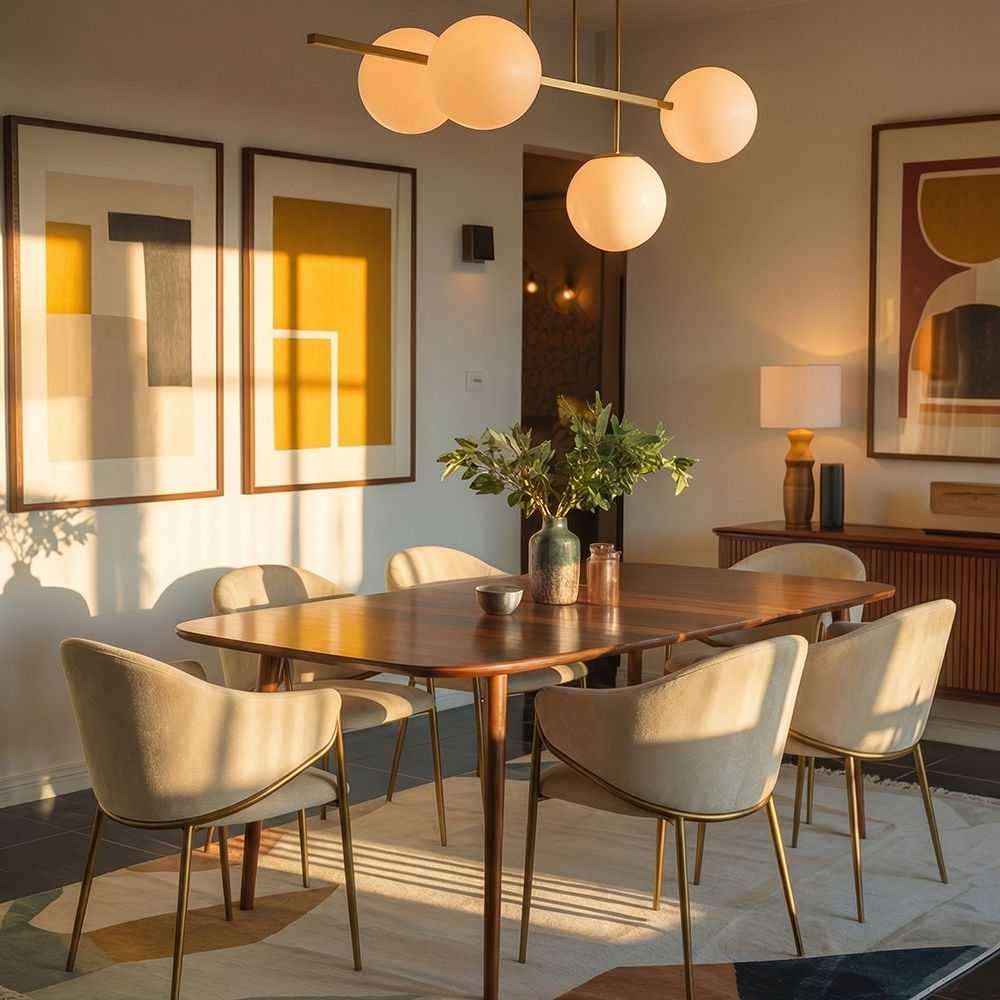
Dining chairs can become an important part of this visual connection. The Mid-Century Modern Upholstered Dining Chairs from POVISON feature curved backrests and a distinctive silhouette that can introduce warmth and character to a contemporary dining area.
Their mid-century influence also makes them versatile beyond the dining table. Curved upholstered chairs can work as accent seating in larger living spaces, reading corners, bedrooms, or home offices, depending on the layout.
Using similar tones, materials, or shapes across both living and dining furniture can make an open floor plan feel cohesive while still allowing each zone to maintain its own identity.
Choose Furniture That Supports Entertaining
When guests arrive, furniture needs to perform differently than it does during everyday relaxation. A good entertaining setup encourages conversation and makes it easy for people to move around the room.
A large sofa provides a central gathering point, while additional chairs can create smaller conversation areas. Furniture should ideally be positioned so that guests can communicate without constantly turning toward one another.
Coffee tables and side tables also become important during gatherings. They provide convenient places for drinks, books, decorative objects, or serving pieces while keeping surfaces organized.
For smaller homes, multifunctional furniture is especially valuable. Pieces that can serve several purposes reduce the need for excessive furnishings and help preserve valuable floor space.
Use Textures to Make the Space More Inviting
Furniture creates the structure of a room, but textiles and accessories determine much of its atmosphere. Upholstery, rugs, cushions, curtains, and throws can introduce softness and visual depth.
A contemporary sofa can be made warmer with textured cushions, while a reclining loveseat can feel integrated into the overall design through coordinated fabrics and accessories. Upholstered dining chairs can similarly add softness to an area that might otherwise feel dominated by hard surfaces.
Layering textures is often more effective than adding numerous decorative objects. A combination of wood, upholstery, natural materials, metal accents, and soft textiles can create a sophisticated environment without making the room feel overly decorated.
Plan Lighting for Different Occasions
Lighting should change with the function of the room. Bright general lighting can be useful during cleaning, family activities, or daytime entertaining, while softer illumination creates a more relaxing atmosphere in the evening.
A combination of ceiling fixtures, floor lamps, table lamps, and accent lighting gives the room greater flexibility. Dimmable fixtures are particularly useful because they allow the same space to transition from daytime activity to nighttime relaxation.
Lighting should also highlight important furniture and architectural features. A well-positioned floor lamp beside a reading chair or soft illumination around a seating area can make the room feel more intentional.
Keep the Décor Adaptable
One of the simplest ways to create a versatile living space is to keep permanent décor relatively timeless. Neutral walls, classic flooring, and understated decorative elements provide a flexible backdrop for furniture.
Seasonal or occasional changes can then be introduced through cushions, throws, artwork, flowers, and smaller accessories. This approach makes it possible to refresh the room without replacing major furniture pieces.
The result is a living space that can evolve with changing preferences and household needs.
Create a Home That Works Every Day
The best living rooms are not designed around a single activity. They accommodate quiet evenings, family time, social gatherings, casual meals, movie nights, and moments of personal relaxation.
A spacious modular sofa can provide flexible group seating, a power reclining loveseat can create a dedicated comfort zone, and curved upholstered chairs can connect the living and dining areas with a distinctive design element. Together, these types of furniture demonstrate how thoughtful selections can make a home both practical and visually cohesive.
Rather than filling a room with furniture simply because there is available space, a more effective approach is to select pieces based on how the room will actually be used. With the right layout, comfortable seating, adaptable décor, and layered lighting, a modern living space can transition effortlessly from relaxing to entertaining while remaining comfortable, stylish, and functional.