How Graphite Lighting Can Transform a Contemporary Interior

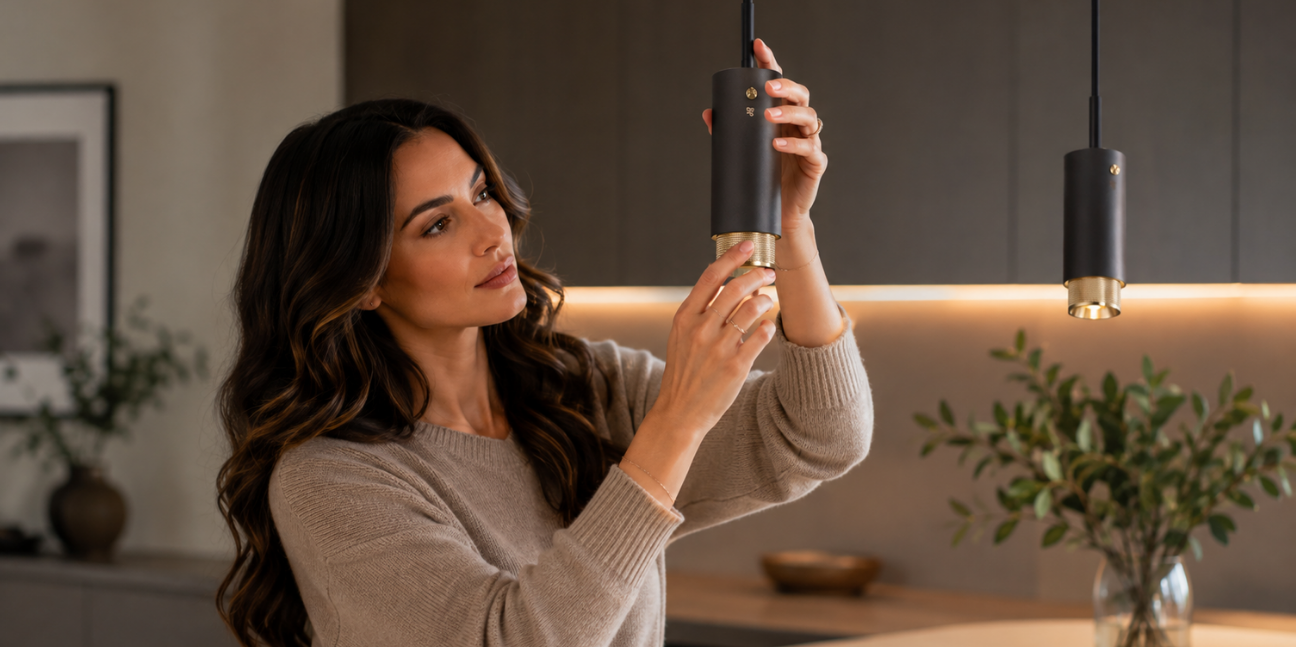
Contemporary interiors often rely on a careful balance of clean lines, refined materials, neutral palettes, and purposeful details. While furniture and architectural finishes establish the foundation of a room, lighting can determine how those elements are experienced. The right fixtures can add warmth, create visual depth, emphasize architectural features, and introduce a distinctive design statement without overwhelming the space
Contemporary interiors often rely on a careful balance of clean lines, refined materials, neutral palettes, and purposeful details. While furniture and architectural finishes establish the foundation of a room, lighting can determine how those elements are experienced. The right fixtures can add warmth, create visual depth, emphasize architectural features, and introduce a distinctive design statement without overwhelming the space.
Graphite lighting has become an appealing choice for modern interiors because it combines the sophistication of a dark finish with the versatility of contemporary design. Unlike brighter metallic finishes that can become a dominant decorative feature, graphite can create a more understated presence while still adding character. Its deep tone works particularly well against light walls, natural materials, wood, stone, and other neutral finishes commonly found in contemporary homes.
A cohesive graphite lighting scheme can also bring together different fixture styles. Pendant fixtures, spotlights, and surface-mounted options can serve different functional purposes while maintaining a consistent visual language. Buster + Punch offers several lighting designs that demonstrate how a distinctive finish and detailing can be incorporated throughout a contemporary interior.
Why Graphite Lighting Works So Well in Contemporary Interiors
Colour plays an important role in interior design, particularly when a room is built around neutral tones. White, beige, cream, grey, taupe, and natural wood can create an elegant backdrop, but excessive use of pale finishes may sometimes make a space feel visually flat. Dark lighting fixtures can introduce contrast without requiring major changes to the existing décor.
Graphite is particularly effective because it sits between black and softer metallic tones. It has the visual weight of a dark finish while retaining a refined, contemporary appearance. This makes graphite lighting suitable for interiors that combine modern minimalism with industrial, luxury, or transitional influences.
The finish can also provide continuity between lighting and other architectural details. Graphite fixtures can coordinate with dark window frames, cabinet hardware, door handles, shelving systems, furniture legs, and decorative accessories. When these elements share similar tones, the room can appear more considered and cohesive.

Create Contrast Without Overwhelming the Room
One of the simplest ways to introduce graphite lighting is by using contrast strategically. A dark fixture against a light ceiling immediately creates definition, drawing attention to the lighting without requiring elaborate decoration.
In a predominantly neutral living room, for example, graphite fixtures can provide a visual anchor above a seating area or dining table. Against pale walls and ceilings, the darker finish becomes noticeable while maintaining a streamlined silhouette.
Contrast can also work in the opposite direction. In a darker interior, graphite fixtures can blend more subtly into the surroundings, allowing the illuminated area and surrounding materials to take visual priority.
This versatility makes graphite particularly useful in open-plan homes where different zones need to feel connected. Repeating the same dark finish across several areas can create continuity while allowing each fixture to perform a different function.
Use Graphite Lighting to Introduce Texture
Contemporary interiors are not necessarily defined by completely smooth surfaces. Modern spaces often become more interesting when different textures are layered together.
Lighting fixtures can contribute to this approach through their materials, finishes, and detailing. A graphite fixture with decorative knurling or textured elements can introduce tactile interest while remaining visually sophisticated.
Buster + Punch's Exhaust lighting collection provides an example of how detailed metalwork can become part of a lighting design. The cross-knurled detailing adds a distinctive design element that can complement other textured finishes, including natural wood, stone, brushed metal, concrete, and fabric.
Texture becomes particularly effective when a room uses a restrained colour palette. Rather than adding another colour, a textured graphite fixture can create visual interest through light, shadow, and surface detail.
Build a Layered Lighting Scheme
A contemporary interior rarely depends on a single light source. Layered lighting is generally more effective because it combines different types of illumination to create flexibility.
A well-designed lighting scheme can incorporate ambient, task, and accent lighting. Ambient lighting establishes general illumination, task lighting supports specific activities, and accent lighting draws attention to architectural or decorative features.
Graphite fixtures can be used across these layers while maintaining a consistent aesthetic. A pendant fixture may provide focused illumination over a kitchen island or dining table, while spotlights can highlight artwork, shelving, furniture, or architectural details.
Surface-mounted fixtures can also provide directional illumination without requiring a suspended fitting. This can be particularly useful in areas with lower ceilings or rooms where a minimal visual profile is preferred.
Combine Different Fixture Styles for a Cohesive Look
Using different types of lighting does not mean that every fixture needs to look identical. Instead, successful interior schemes often repeat key design elements while varying the form and placement.
A contemporary home could combine pendant lighting above a central feature with directional spotlights along a ceiling. Surface-mounted fixtures can then provide additional illumination in corridors, bedrooms, or areas where pendant lighting would not be practical.
The use of a consistent graphite finish can visually connect these different fixtures. Cross-knurled detailing can further reinforce the relationship between pieces.
This approach is particularly effective for open-plan spaces. Instead of treating the kitchen, dining area, and living room as completely separate zones, matching lighting details can create a subtle connection between them.

Make the Kitchen More Functional and Stylish
Kitchens are among the most important areas for carefully planned lighting because they combine social spaces with practical work zones. A successful lighting design should illuminate countertops and preparation areas while also contributing to the overall atmosphere.
Graphite lighting can work particularly well in kitchens featuring white cabinetry, natural timber, marble, quartz, concrete, or dark worktops. The darker fixtures can create contrast and complement cabinet hardware or appliances.
Pendant lighting can be positioned over islands or breakfast bars to provide focused illumination while creating a visual focal point. Directional spotlights can supplement this light by illuminating specific work surfaces or decorative features.
The result is a kitchen that feels functional without sacrificing the visual qualities expected of a contemporary living space.

Add Definition to Dining Areas
Dining areas benefit from lighting that establishes a sense of focus. A dining table often acts as the centre of a room, particularly in open-plan layouts, and the right fixture can help visually define the area.
A graphite pendant can create a clear focal point above the table while introducing contrast against a lighter ceiling. The dark finish can also complement dining chairs, table legs, shelving, or other architectural details.
Directional lighting can be used alongside the central pendant to illuminate artwork, cabinetry, or surrounding features. This layered approach allows the dining area to transition from functional mealtimes to relaxed evening settings.
Enhance Living Rooms With Directional Lighting
Living rooms typically require several lighting options because they accommodate different activities. Reading, entertaining, relaxing, and watching television can each benefit from different levels and directions of illumination.
Directional spotlights provide flexibility because they can focus light on particular areas rather than distributing illumination evenly across the entire room. A spotlight can emphasize artwork, a bookcase, an architectural feature, or a statement piece of furniture.
Graphite fixtures can also blend naturally with contemporary living room materials. Leather, timber, stone, glass, and neutral upholstery can all work with the deep finish.
When used carefully, graphite lighting becomes part of the room's architecture rather than simply an accessory.
Highlight Architectural Features
One of the most effective uses of directional lighting is highlighting architecture. Contemporary interiors often feature elements such as exposed brick, textured walls, alcoves, statement staircases, built-in shelving, and large windows.
Lighting can draw attention to these features after natural daylight fades. Instead of illuminating every surface equally, directional fixtures can create areas of focus.
Graphite spotlights are especially suitable for this approach because the fixtures themselves can remain visually restrained while the light becomes the main feature.
This technique can also make rooms feel more dimensional. Carefully positioned illumination creates highlights and shadows, helping flat walls and architectural surfaces gain depth.
Use Lighting to Complement Natural Materials
Contemporary interiors frequently combine modern architectural forms with natural materials. Timber flooring, stone worktops, ceramic surfaces, linen, leather, and woven fabrics can soften the appearance of a minimalist room.
Graphite provides an effective counterpoint to these organic materials. Its dark finish can emphasize the warmth of wood while creating a visual bridge to darker accents elsewhere in the space.
For example, graphite fixtures can complement oak cabinetry, walnut furniture, or natural stone surfaces. The contrast between tactile natural materials and refined metal can create a balanced modern aesthetic.
This combination is particularly suitable for homeowners who want contemporary interiors to feel sophisticated without appearing overly stark.
Create a Boutique-Hotel Atmosphere at Home
Luxury hospitality spaces often use lighting as a design tool rather than treating it solely as a functional necessity. Layered illumination, contrasting finishes, and carefully positioned fixtures can create a sense of atmosphere.
The same principles can be applied to residential interiors. Graphite lighting can contribute to a boutique-hotel aesthetic by adding a sophisticated architectural accent.
In bedrooms, graphite fixtures can complement upholstered furniture, dark wood, neutral bedding, and contemporary artwork. In hallways, surface-mounted lighting can create a clean and purposeful appearance. In living areas, statement pendants can establish focal points while directional lighting provides additional layers.
The key is consistency. Repeating finishes and detailing throughout a home creates the impression of a deliberately designed environment.
Make Small Spaces Feel More Considered
Lighting can have a significant impact in compact rooms. When floor and wall space are limited, ceiling-mounted or wall-focused lighting can provide illumination without adding unnecessary furniture.
Surface-mounted fixtures are particularly useful in these circumstances. Their relatively streamlined placement can work well in hallways, utility areas, bathrooms, compact kitchens, and other spaces where a larger pendant may feel disproportionate.
Graphite can also create definition in small spaces. A single dark fixture against a light ceiling can become a subtle architectural detail rather than making the room feel crowded.
Use Graphite Lighting in Open-Plan Interiors
Open-plan living has become a popular approach to contemporary home design, but large uninterrupted spaces can sometimes lack visual definition. Lighting provides an effective way to divide these areas into functional zones without constructing physical barriers.
A pendant fixture can identify the dining zone, while directional spotlights can define the kitchen or living area. Surface-mounted lighting can then support circulation spaces.
Keeping the fixtures within the same graphite finish helps maintain continuity. Different shapes and placements provide functional variety, while the shared material and colour prevent the overall scheme from becoming visually fragmented.
Coordinate Graphite With Other Metal Finishes
A common concern when designing an interior is whether different metal finishes can work together. Contemporary spaces do not necessarily require every metallic element to match perfectly.
Graphite can often serve as a grounding finish alongside other metals. Depending on the wider décor, it can complement brushed brass, stainless steel, chrome, bronze, or blackened metal.
The most successful combinations usually have a clear hierarchy. One finish can dominate while another appears through smaller details. For example, graphite lighting may become the primary dark accent while warm metallic hardware introduces subtle contrast.
This approach can make an interior feel layered rather than overly coordinated.
Consider the Scale and Placement of Each Fixture
Choosing a beautiful lighting finish is only part of the design process. Scale and placement are equally important.
A large pendant can work effectively above a substantial dining table or kitchen island, while a compact spotlight may be better suited to a hallway or smaller room. Surface-mounted fixtures can be particularly practical where ceiling height or architectural constraints limit the use of suspended lighting.
The visual weight of graphite should also be considered. Dark fixtures tend to attract attention, so spacing and repetition should be intentional.
Rather than filling every ceiling area with matching fixtures, a considered arrangement can create stronger visual impact.
Use Graphite Lighting as a Design Signature
A successful contemporary interior often has one or two recurring design elements that give it a recognizable identity. Lighting can become one of those signatures.
Graphite fixtures can establish a dark architectural thread throughout the home. The same finish might appear in the kitchen, dining room, hallway, bedroom, and living area, creating continuity without making every room look identical.
The result is a home where lighting contributes to the overall design language. Instead of being an afterthought, fixtures become an integral part of the architecture and décor.
Why Thoughtful Lighting Matters in Contemporary Design
Contemporary interiors depend heavily on proportion, material, contrast, and simplicity. Lighting brings all four elements together.
A well-selected fixture can introduce contrast against pale surfaces, highlight textures, emphasize architectural features, and make functional areas more practical. When several fixtures share a finish and design language, they can also create continuity throughout an entire property.
Graphite is particularly versatile because it provides the visual strength of a dark accent while remaining compatible with a wide range of contemporary materials. Its ability to work with timber, stone, glass, neutral fabrics, and other metals makes it suitable for both minimalist and more layered interiors.
The Buster + Punch Exhaust range demonstrates how this approach can be applied through different lighting formats. The cross-detailing and graphite finish provide a consistent aesthetic, while the availability of spotlight, pendant, and surface-mounted designs allows the lighting scheme to adapt to different spaces and requirements.
Final Thoughts
Graphite lighting can transform a contemporary interior by adding contrast, texture, sophistication, and visual continuity. Its deep finish works particularly well with neutral colour palettes and natural materials, while directional fixtures can help shape how a room is experienced.
From kitchen islands and dining tables to living rooms, hallways, bedrooms, and architectural features, graphite fixtures can serve both practical and decorative purposes. Combining different fixture styles within the same design language can create a cohesive lighting scheme without making every space feel repetitive.
For contemporary homeowners seeking a refined alternative to conventional white or polished-metal fixtures, graphite offers a strong balance between understated elegance and distinctive design. With thoughtful placement and layered illumination, it can become one of the defining details of a modern interior.