Relieve Back Strain Naturally with FitSpine Therapy

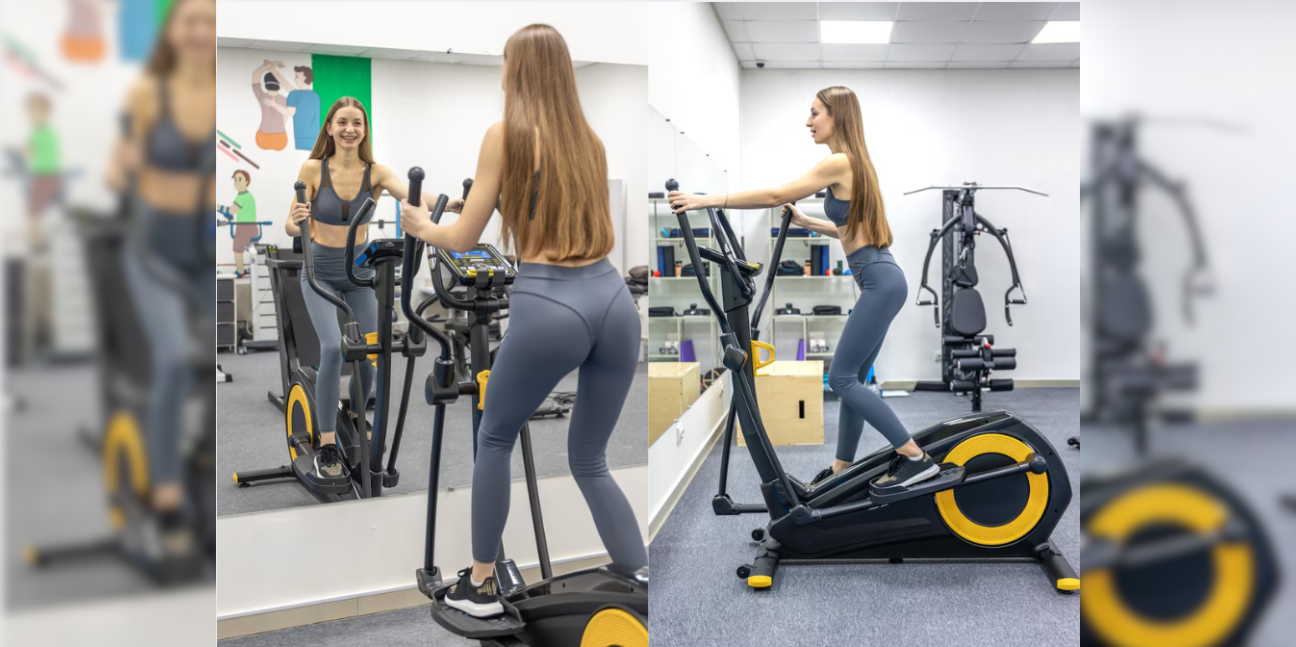
Back discomfort has a way of creeping into daily life. Long work hours, poor posture, and limited movement often place constant pressure on the spine.
Back discomfort has a way of creeping into daily life. Long work hours, poor posture, and limited movement often place constant pressure on the spine. You may notice stiffness after sitting too long, tight muscles after workouts, or a dull ache that refuses to disappear. When that pressure builds day after day, it begins to affect energy, sleep quality, and overall comfort.
One approach many people consider involves inversion therapy. This method uses gravity to stretch the spine and reduce compression in the back. Instead of relying on medication or invasive procedures, you allow the body to decompress naturally for short sessions.
A well-known option in this category comes from Teeter, whose FitSpine inversion tables aim to support spinal traction and muscle relaxation. Rather than focusing only on equipment, the idea centers on improving how your body feels and moves each day.
When used properly, inversion therapy can help reduce pressure on spinal discs, release tight muscles, and support better posture. The sections ahead explain how this type of equipment works, what makes the FitSpine system unique, and how it can influence your daily comfort, mobility, and overall well-being.
Why Spinal Decompression Matters for Your Daily Comfort?
Your spine carries a heavy workload. It supports body weight, stabilizes movement, and protects nerves that run through the spinal column. When you sit for long hours or perform repetitive movements, gravity compresses the discs between your vertebrae.
Over time this pressure may lead to stiffness, nerve irritation, or lower-back pain. Spinal decompression aims to counteract that compression. By gently stretching the spine, space between vertebrae increases slightly. That small change can reduce pressure on nerves and discs while easing muscle tension.
Inversion therapy applies this idea through gravity. When your body tilts backward or fully upside down, your weight shifts away from the spine. This temporary traction may relieve stress on spinal structures and encourage better alignment. Research suggests that inversion can reduce nerve pressure, relax muscles, and improve flexibility for some people experiencing back discomfort.
The process is simple: you lie on a table, secure your ankles, then tilt backward at a controlled angle. The angle determines the intensity of the stretch. Even a slight inversion can create a noticeable release in the back.
For people who spend most of the day sitting, this form of traction offers a change that your spine rarely experiences during normal routines.
What the FitSpine System Brings to Inversion Therapy?
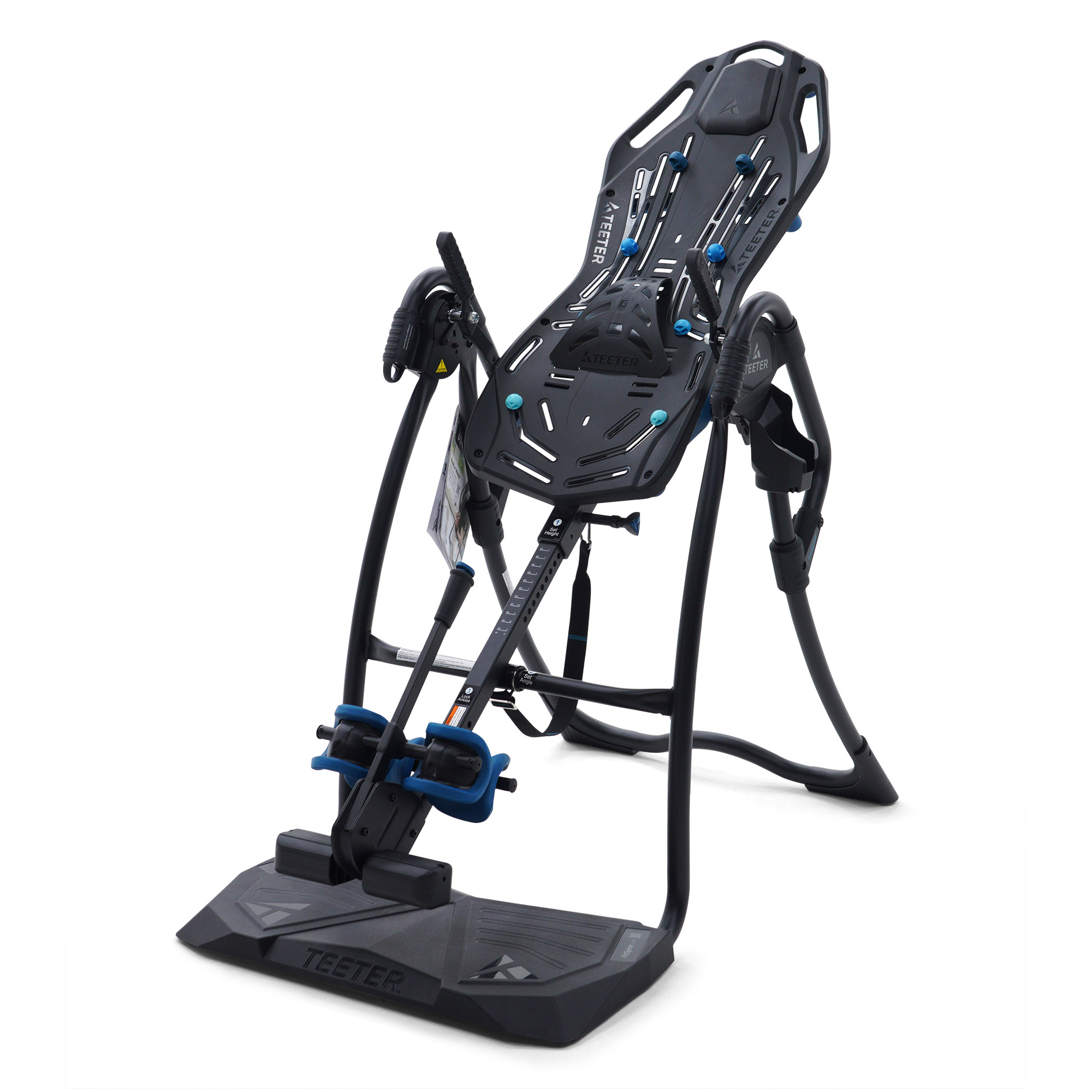
The FitSpine available through Teeter focuses on controlled spinal traction with added comfort and stability. Unlike basic inversion tables that rely on rigid surfaces, its design includes a flexible backrest that moves with your body.
This system uses an 8-point floating suspension design known as the FlexTech bed. The structure allows the surface to flex slightly during inversion, helping your body slide and stretch more naturally across the table. That movement increases decompression along the spine while keeping the experience comfortable.
Another feature that shapes the user experience is the ankle support mechanism. Many inversion tables create pressure at the ankles during rotation. It models address this with Ergo-Embrace ankle supports and an EZ-Reach ankle lock system designed for quick adjustment and secure positioning.
These elements work together so that your attention stays on relaxation rather than discomfort.
Several models also include accessories such as a lumbar bridge and acupressure nodes. These attachments add targeted pressure along the lower back while you invert, increasing the stretching effect on specific muscle groups.
Instead of relying solely on gravity, the equipment encourages gentle movement and stretching while inverted.
How Regular Use May Influence Your Physical Well-Being?
Using inversion therapy consistently can influence several areas of physical comfort. While it does not replace professional medical care, many users incorporate short sessions into their daily routine for relief and relaxation.
Reduced Pressure on Spinal Discs
When you invert your body, gravity pulls the spine in the opposite direction from daily compression. This temporary decompression allows spinal discs to rehydrate and regain space between vertebrae. That release may reduce irritation around spinal nerves.
For someone experiencing occasional lower-back tension, this stretch can feel similar to a deep spinal extension.
Muscle Relaxation
Muscle tension often develops around the spine when discs or joints become compressed. Inversion stretches these muscles gradually, helping them release built-up tightness. As the muscles relax, movement can feel easier and less restricted.
Even short sessions of five to ten minutes may provide noticeable relief after long periods of sitting or physical activity.
Improved Mobility and Flexibility
When tension decreases, your range of motion can improve. Looser back muscles make it easier to bend, twist, or stretch during daily activities. Over time, this improved mobility may help prevent stiffness that builds from repetitive posture habits.
Circulation and Joint Relief
Inverted positioning shifts blood flow toward the upper body. This change may support circulation and reduce stress in weight-bearing joints such as the hips and knees. Some individuals also report reduced fatigue after brief inversion sessions.
Design Elements That Support Safe and Controlled Inversion
A common concern with inversion therapy involves safety and control. A well-designed inversion table allows you to move slowly between angles and maintain stability during the process.
The FitSpine models emphasize controlled movement through several structural features.
Precision-balanced rotation system
The table rotates according to your body weight distribution. Small arm movements allow you to adjust the inversion angle gradually without sudden shifts.
Preset angle settings
Many units include an EZ-Angle tether that marks common inversion angles such as 20°, 40°, and 60°. This helps you choose a comfortable position without committing to a full inversion immediately.
Boarding platform and ergonomic frame
An arched base and stable platform make it easier to mount or step onto the table before inversion. This detail reduces strain when positioning yourself on the equipment.
Foldable storage design
When not in use, the frame folds into a compact shape. This allows you to store the equipment against a wall or inside a closet rather than leaving it permanently assembled.
These structural details show how thoughtful design can influence comfort during every step of the inversion process.
Integrating Inversion Therapy into Your Routine
Adding inversion therapy to your schedule does not require long sessions. Many individuals begin with short intervals of two to three minutes at a gentle angle.
Gradually increasing both the angle and duration allows your body to adapt to the sensation of inversion. Most routines involve sessions lasting five to fifteen minutes.
You might use the table after a long workday to relieve spinal compression from sitting. Others prefer post-exercise sessions because inversion stretches muscles after intense training.
- A simple routine could include:
- Light stretching before inversion
- A five-minute session at a mild angle
- Gentle movements using traction handles
- Gradual return to upright position
These steps allow your body to transition smoothly without sudden shifts in blood pressure or balance.
Consistency tends to produce the most noticeable benefits. A few minutes each day may feel more effective than occasional long sessions.
Who Might Benefit Most from This Approach?
Inversion therapy often appeals to people dealing with recurring back tension rather than severe medical conditions.
You may notice the greatest benefit if your routine includes:
- Long hours at a desk
- Frequent lifting or physical work
- Intense strength training
- Limited daily stretching
The technique can also support posture improvement. When the spine decompresses and muscles relax, maintaining an upright posture becomes easier throughout the day.
For people seeking a non-invasive way to address spinal compression, the FitSpine inversion tables available through Teeter provide a structured way to try this method at home.
A Practical Approach to Spinal Relief
Your spine carries the weight of daily routines, posture habits, and physical activity. When pressure builds over time, even simple movements may begin to feel uncomfortable. A method that encourages natural decompression can help restore balance in the body.
Inversion therapy focuses on allowing gravity to reverse the pressure your spine experiences throughout the day. Short sessions can stretch tight muscles, reduce compression around spinal discs, and encourage better mobility. Many people use it as part of a broader routine that includes stretching, exercise, and posture improvement.
The FitSpine inversion tables available from Teeter provide a structured approach to this technique. Features such as the FlexTech suspension bed, ergonomic frame, and adjustable ankle supports aim to create a controlled and comfortable inversion experience.
If your goal involves relieving tension, improving flexibility, or simply giving your back a break from daily strain, inversion therapy offers a practical option to consider. A few minutes of spinal decompression may help your body reset, allowing you to move through your day with greater ease and comfort.
Relieve spinal pressure with FitSpine inversion therapy from Teeter. Learn how controlled inversion may support posture, flexibility, and back comfort.