The Complete Guide to Choosing a Shower Filter for Skin and Hair Care

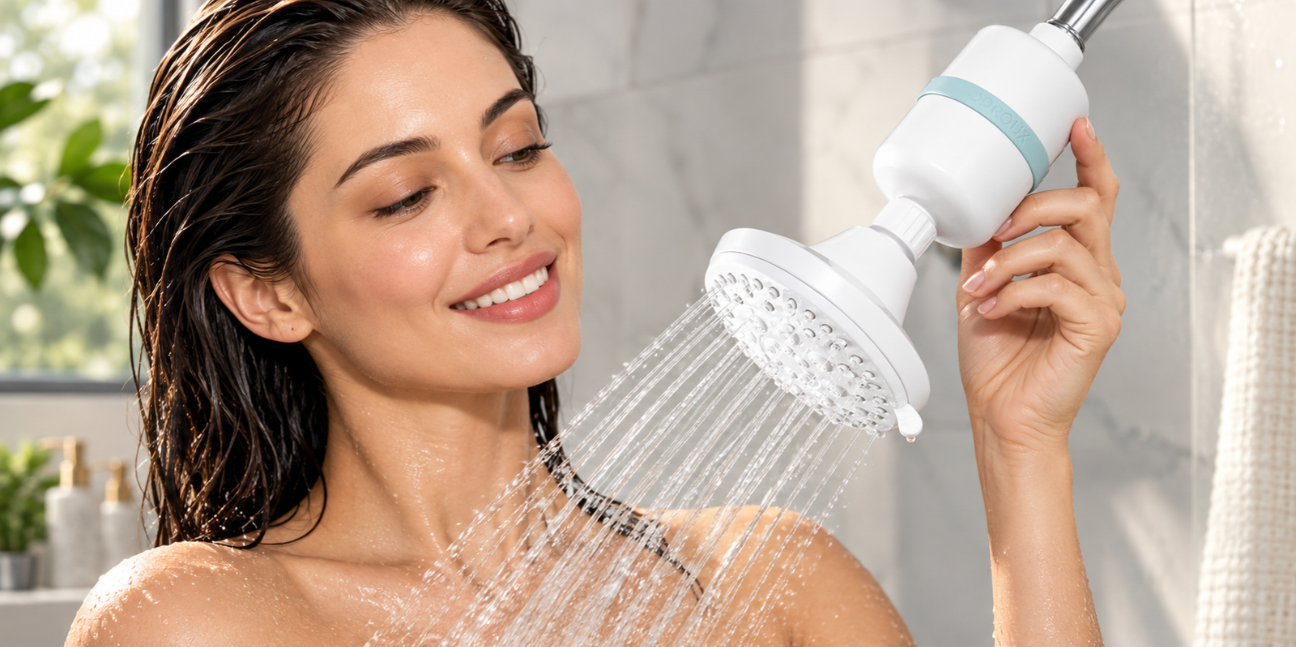
A shower is one of the most consistent parts of a daily routine, yet the quality of the water coming through the showerhead is often overlooked. Municipal water supplies are commonly treated with disinfectants such as chlorine, while minerals and other substances can also affect the overall shower experience. For people who notice that their skin feels dry after bathing or that their hair lacks softness, water quality may be worth considering alongside cleansers, shampoos, conditioners, and moisturizers.
A shower is one of the most consistent parts of a daily routine, yet the quality of the water coming through the showerhead is often overlooked. Municipal water supplies are commonly treated with disinfectants such as chlorine, while minerals and other substances can also affect the overall shower experience. For people who notice that their skin feels dry after bathing or that their hair lacks softness, water quality may be worth considering alongside cleansers, shampoos, conditioners, and moisturizers.
A shower filter can be a practical addition to a bathroom, particularly for households looking to make water quality part of their everyday self-care routine. Choosing the right option, however, requires more than simply selecting the first filter available. Filtration performance, compatibility, installation, maintenance, and intended use all deserve attention.
Why Shower Water Quality Matters for Skin and Hair
Skin and hair come into direct contact with shower water on a regular basis. While treated water is considered safe for normal household use, chlorine and dissolved minerals can influence how water feels on the body.
Some people may experience a sensation of dryness or tightness after showering, while others may notice that their hair feels rough, dull, or difficult to manage. These effects can vary depending on individual skin and hair characteristics, the local water supply, and the concentration of different substances in the water.
A shower filter does not replace a complete skincare or haircare routine, but it can be considered another step in creating a more comfortable bathing environment.
What Does a Shower Filter Actually Do?
A shower filter is designed to treat water as it passes through the shower system. Different models use different filtration media and technologies, so performance can vary considerably between products.
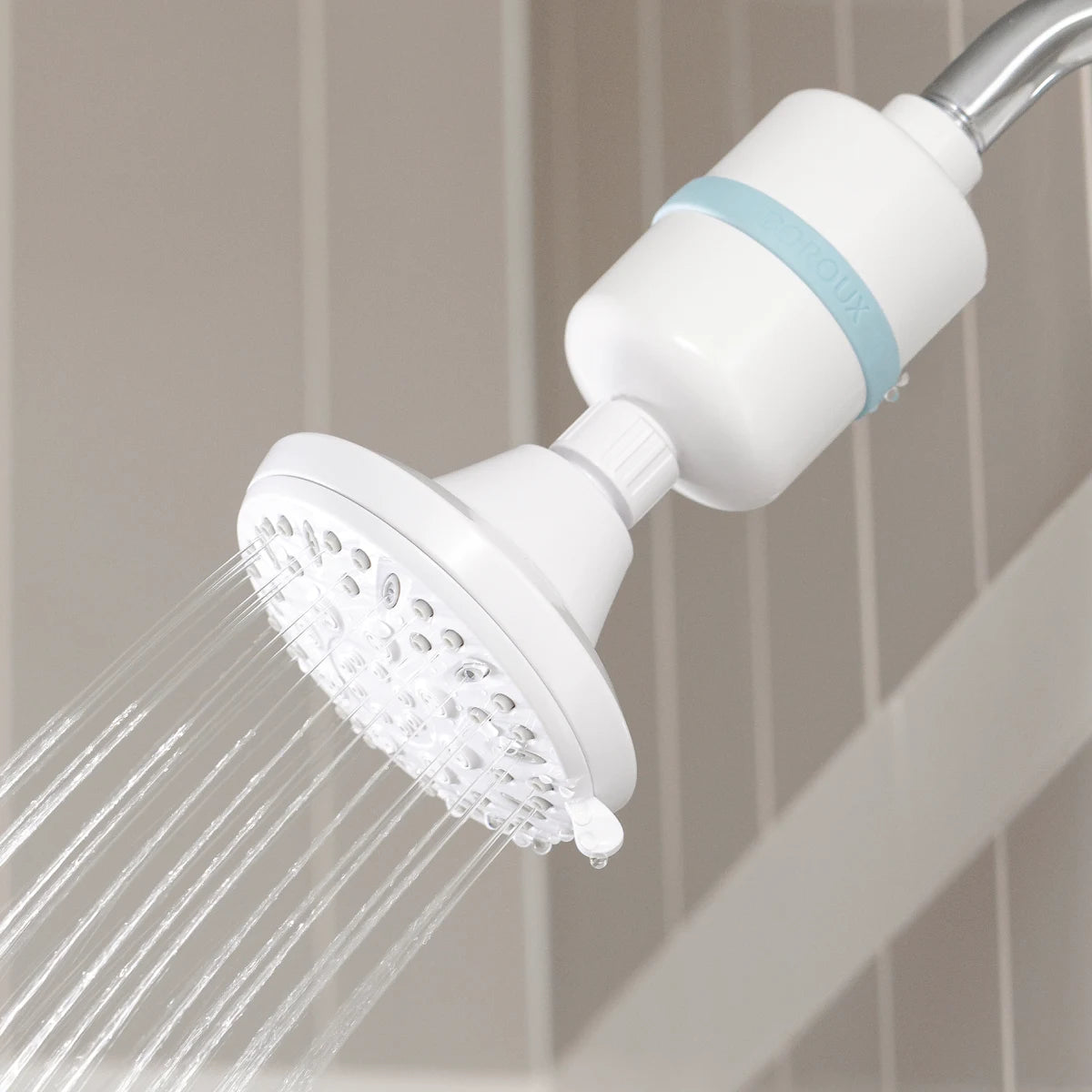
For households primarily concerned about chlorine, a filter specifically designed to reduce chlorine can be an appealing option. The BOROUX Shower Filter, for example, is designed to reduce chlorine from shower water while fitting into a standard shower connection.
Understanding the contaminant a filter is designed to address is important. Not every shower filter is intended to remove every substance found in water, and a conventional shower filter should not automatically be considered equivalent to a whole-home water filtration system.
Key Features to Look for in a Shower Filter
Chlorine Reduction
Chlorine reduction is one of the most common reasons consumers consider installing a shower filter. A product with clearly stated filtration performance can make it easier to understand what the filter is designed to accomplish.
The BOROUX Shower Filter is marketed with chlorine reduction as a central feature, making it particularly relevant for households looking for a filtration option focused on treated shower water.
Filter Life and Replacement
Every filter eventually reaches its capacity and requires replacement. A convenient design is therefore only useful when replacement is straightforward.
Before purchasing a shower filter, it is worth checking the manufacturer's recommended replacement schedule and considering how often the shower is used. Larger households may go through filters faster than households with fewer occupants.
Shower Compatibility
Compatibility is another important consideration. A filter should fit the existing plumbing configuration without requiring unnecessary modifications.
The BOROUX Shower Filter uses a standard ½-inch NPT connection, a common size for shower plumbing. Checking the existing shower connection before purchasing remains a sensible step, particularly in bathrooms with unusual fittings or specialized fixtures.
Installation Requirements
An easy installation can make a filtration upgrade considerably more practical. Products that can be installed without specialized tools are especially convenient for renters and homeowners who prefer simple bathroom improvements.
A straightforward installation also means the filtration system can be added without replacing the entire shower setup. This allows the existing showerhead to remain part of the bathroom arrangement when compatible.
Shower Filters and Skin Care
Skincare often focuses on products applied after cleansing, but the bathing environment can also be part of the overall routine. A shower filter may be considered by people who regularly experience a dry or uncomfortable feeling after showering.
However, water filtration should be viewed realistically. A shower filter is not a treatment for skin conditions, and individual results can vary. Skin-friendly habits such as using gentle cleansers, avoiding excessively hot water, and applying moisturizer after bathing remain important.
The value of a shower filter is often in making a small environmental change that complements those established habits.
Shower Filters and Hair Care
Hair can also benefit from a more considered approach to shower water. Water quality can influence how hair feels after washing, particularly when combined with frequent shampooing, heat styling, coloring, or other treatments.
A shower filter may fit naturally into a haircare routine centered on maintaining softness and manageability. Instead of relying entirely on increasingly complex hair products, some households may prefer to first consider the quality of the water used during washing.
The result is not guaranteed to be dramatic, but filtration can become one part of a broader approach to hair maintenance.
Hard Water vs. Chlorinated Water
Hard water and chlorinated water are often discussed together, but they are not the same issue.
Hard water primarily refers to water containing elevated levels of minerals such as calcium and magnesium. Chlorinated water, meanwhile, contains chlorine used for disinfection. A filter designed specifically for chlorine reduction should not automatically be expected to function as a comprehensive hard-water treatment system.
This distinction is important when selecting a product. Consumers should identify the primary water concern before choosing filtration technology.
For households dealing with significant mineral buildup, a whole-home water softener or another specialized system may be more appropriate than a shower filter alone.
Why a Simple Bathroom Upgrade Can Make Sense
Major bathroom renovations can be expensive, time-consuming, and unnecessary for households that simply want to improve one part of their daily routine.
A shower filter offers a relatively straightforward alternative. Rather than replacing tiles, fixtures, or the entire shower system, filtration can be incorporated into the existing setup when compatibility allows.
The BOROUX Shower Filter is particularly suited to this type of upgrade because its design focuses on installation within a standard shower connection. That makes filtration feel less like a renovation project and more like a practical addition to an established routine.
How to Choose the Right Shower Filter
The best shower filter depends on the household's specific needs. Before making a purchase, several questions can help narrow down the options.
First, what is the main concern: chlorine, minerals, or general shower-water quality? Second, does the filter provide clear information about its filtration performance? Third, is it compatible with the existing shower plumbing? Fourth, how frequently does the filter require replacement? Finally, is installation simple enough for the intended bathroom?
A product that answers these questions clearly is generally easier to evaluate than one that relies primarily on broad marketing claims.
Making Shower Filtration Part of a Better Routine
A shower filter is not a substitute for good skincare, haircare, or professional water treatment. Instead, it can serve as a supporting component of a more thoughtful everyday routine.
The most useful approach is to combine appropriate filtration with sensible shower habits. Moderate water temperatures, gentle cleansing products, regular conditioning, and post-shower moisturization can all contribute to a comfortable routine.
For households specifically interested in reducing chlorine exposure during showers, the BOROUX Shower Filter provides a convenient option worth considering. Its focus on chlorine reduction, standard connection, and relatively simple installation makes it a practical bathroom upgrade for those who want filtration without replacing their entire shower system.
Ultimately, choosing a shower filter comes down to understanding the home's water, identifying the primary concern, and selecting a system whose filtration capabilities and specifications match those needs. With the right choice, water filtration can become a simple and unobtrusive part of everyday skin and hair care.